
Armyworms Are Attacking Lawns in Alabama – Here’s What to Do Now
If you’ve looked out at your lawn and noticed brown patches seemingly overnight, you may be dealing with a serious pest: fall armyworms. These voracious caterpillars can destroy an entire yard in just a few days if not caught early. Here’s what Alabama homeowners need to know—and do—right now.
What Are Armyworms?
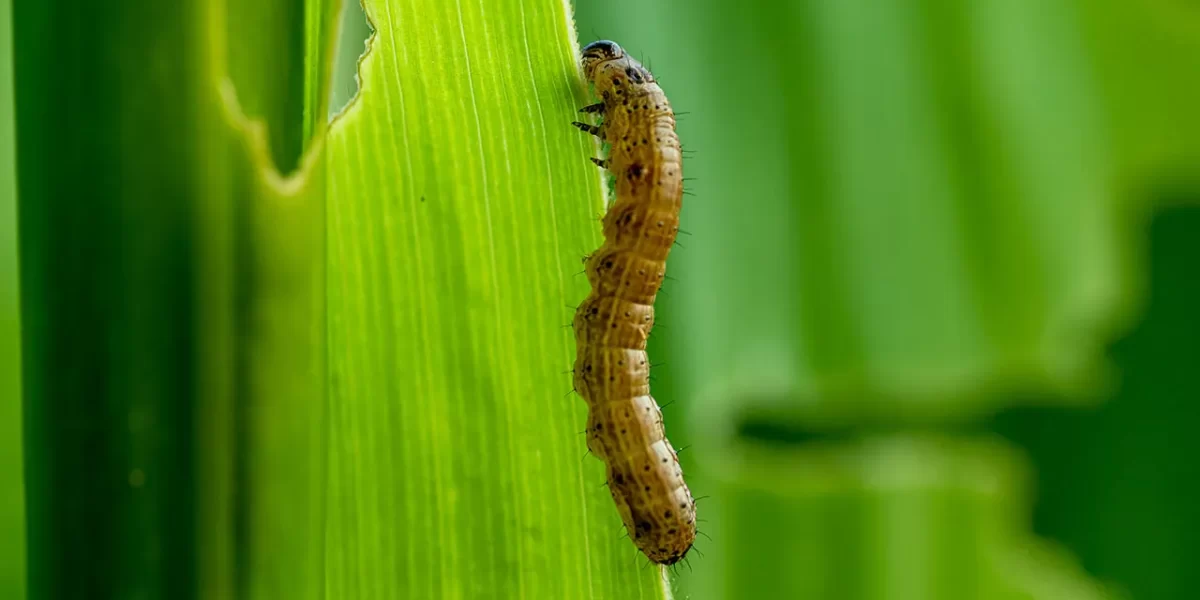
Armyworms are the larvae of a moth species that invade turfgrasses across the Southeast every summer, especially Bermuda, Zoysia, fescue, and St. Augustine grasses. They get their name from their group movement, like a marching army.
You can recognize them by their:
- Striped green, brown, and black bodies
- Light-colored inverted “Y” on their heads
- Tendency to feed at dawn or dusk
Peak season in Alabama is late July through September, especially after heavy rains.
Signs You Have Armyworms
They work fast, so catching them early is crucial. Look for:
- Ragged, chewed grass blades
- Brown patches that seem to spread quickly
- Birds swooping down (they’re feeding on the larvae)
Pro tip: Do a “soap flush test” to bring them to the surface: mix 2 tablespoons of dish soap with 1 gallon of water and pour it over a small patch of lawn. If armyworms are present, they’ll wriggle to the top within minutes.
How to Treat Armyworms
Act fast. Younger larvae (less than ¾ inch) are much easier to control than older ones.
Organic Options
- Bacillus thuringiensis (Bt): Natural bacteria that’s safe for pets and pollinators.
- Beneficial nematodes: Microscopic organisms that attack larvae in the soil.
Chemical Options
- Look for products containing bifenthrin, deltamethrin, or permethrin.
- Always read and follow label directions.
Application tips:
- Mow your lawn and lightly water before treatment.
- Apply in the early morning or evening.
- Avoid watering for 24 hours after application.
If you’re not sure what to use, give us a call at Southern Green. We’ll help you choose the best treatment and apply it safely.
Can My Lawn Recover?
Yes—if the grass crowns and roots are still intact, most lawns bounce back with proper care.
Here’s how to help it recover:
- Deep water 2–3 times per week
- Apply a balanced slow-release fertilizer
- Overseed or patch any bare spots
- Mow regularly to stimulate regrowth
Prevent Future Infestations
An ounce of prevention is worth a pound of sod.
- Maintain proper mowing height
- Remove excessive thatch buildup
- Water deeply but infrequently
- Use preemptive treatments in July if infestations were bad the year before
Avoid overusing broad-spectrum insecticides that can kill beneficial insects like ground beetles and wasps, which feed on armyworms.
Why Alabama Lawns Trust Southern Green
We’ve been protecting lawns in Pelham, Hoover, and Birmingham since 2011. Our licensed technicians are trained to identify pests fast and apply the safest, most effective treatments.
“Armyworms tore through our Bermuda lawn. Southern Green had us back to green in under two weeks. Highly recommend!” — Mark T., Pelham, AL
Don’t Wait: Schedule a Lawn Inspection Today
If you see signs of armyworms, don’t wait until it’s too late.
Call Southern Green Lawn & Shrub Care today at 205-704-3121 to protect your lawn from further damage. We’ll assess, treat, and help your yard recover beautifully.
Serving Greater Birmingham, Pelham, Hoover, and surrounding Alabama communities.