
Grub Control for Birmingham Lawns: Stop Turf Damage Before It Starts
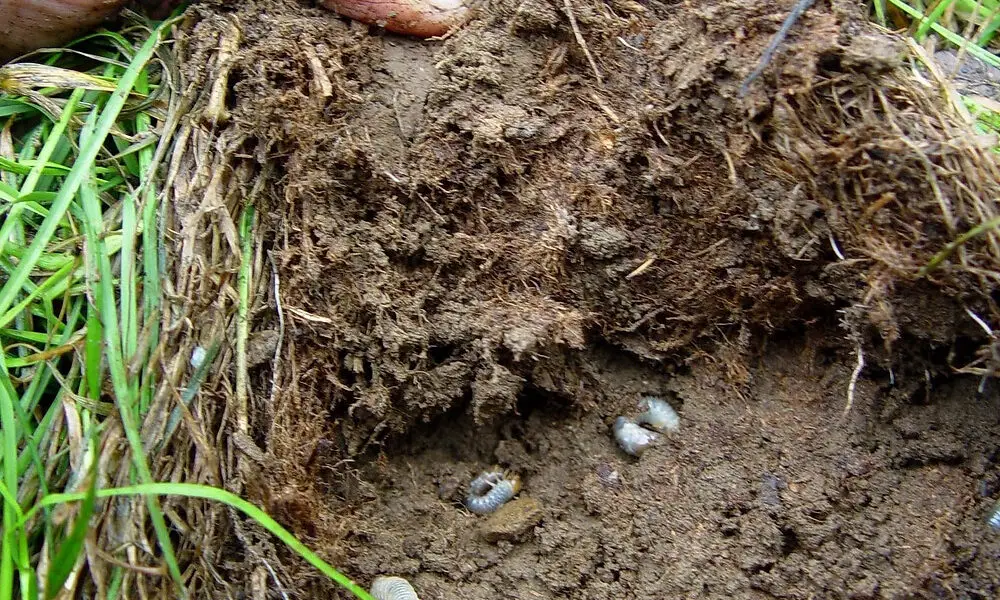
If your lawn is turning brown and feels soft underfoot, you might be dealing with one of Alabama’s most destructive pests: grubs. These tiny, white, C-shaped beetle larvae feast on your lawn’s roots, leading to severe damage fast. Here’s how to detect them, treat them, and protect your yard before it’s too late.
What Are Grubs?
Grubs are the immature stage of beetles like Japanese beetles and June bugs. They live underground and feed on grassroots, causing dead patches and weakened turf.
Common signs of grub damage:
- Yellow or brown patches that spread
- Turf rolls back easily like a carpet
- Birds, raccoons, or armadillos digging in your yard
- Lawn feels soft or spongy underfoot
In Birmingham, Pelham, and Hoover, grub damage typically peaks in late summer to early fall, but prevention starts much earlier.
How to Check for Grubs
If you suspect grubs:
- Use a tug test: grab a section of turf and gently pull. If it lifts easily, check underneath for grubs.
- Cut a 1-square-foot section about 3 inches deep and count the grubs.
Threshold guide:
- Fewer than 5 grubs/sq. ft: generally safe
- 6–10: warning zone
- 10+ grubs: urgent treatment needed
Grub Treatment Options
Preventive Treatments (April–June)
- Apply products with imidacloprid or chlorantraniliprole
- These prevent eggs from hatching or larvae from maturing
- Water in thoroughly to activate the product
Curative Treatments (July–September)
- Use insecticides like trichlorfon or carbaryl when grubs are small
- Best applied in evening or early morning
- Avoid applying in high heat or right before rain
Note: Water your lawn after treatment unless the label says otherwise.
Can Your Lawn Recover?
Yes. If caught early and treated promptly:
- Water deeply 2–3 times/week
- Apply a slow-release fertilizer
- Avoid heavy traffic on stressed turf
- Re-seed or patch areas as needed
Prevent Grubs Year After Year
- Maintain healthy turf with regular mowing and fertilizing
- Avoid overwatering in summer (attracts beetles to lay eggs)
- Apply preventive grub control annually if you’ve had issues before
- Keep an eye out for signs and act quickly
Why Choose Southern Green for Grub Control
We know Birmingham lawns and how to protect them. Our licensed professionals identify grub activity early and apply safe, effective treatments with long-lasting results.
“We had huge brown patches that kept growing. Southern Green diagnosed it as grubs, treated it, and within a few weeks, our lawn was healthy again. They saved our yard!”
Get a Free Grub Inspection Today
Don’t wait for grubs to destroy your lawn. Call Southern Green Lawn & Shrub Care today to schedule your grub check and treatment plan.
Serving Birmingham, Pelham, Hoover, and nearby Alabama communities.
FAQ: Grub Control in Alabama
Q: When should I apply grub control in Alabama?
A: Preventive treatments go down in April to June. Curative products work best July through September when grubs are feeding near the surface.
Q: How can I tell if I have a grub infestation?
A: Look for thinning grass, patches that roll up easily, and visible white grubs beneath the turf.
Q: What kills grubs instantly?
A: Fast-acting products like trichlorfon or carbaryl can eliminate active grubs quickly when applied correctly.
Q: Will grass grow back after grub damage?
A: Yes, if treated early. With water, fertilizer, and time, most lawns recover.
Q: Do I need to treat every year?
A: If you’ve had grub problems before, annual preventive treatments are strongly recommended.