

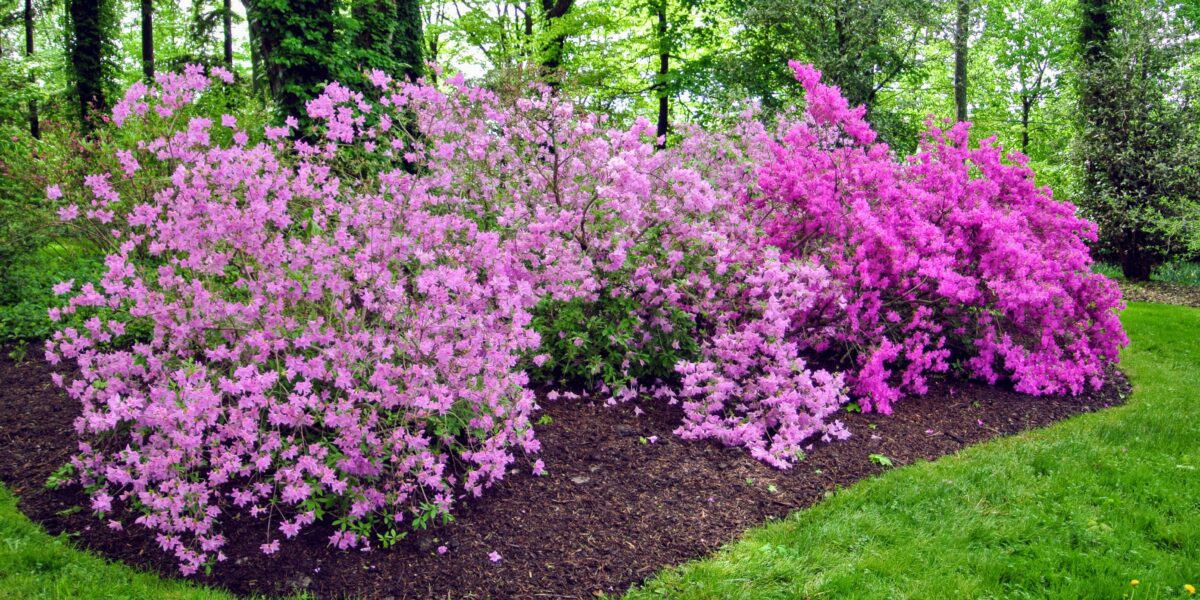
The Proper Care of Azaleas: A Year-Round Guide for Healthy Blooms
Azaleas are a popular shrub known for their beautiful blooms and relatively low maintenance. However, to keep them thriving, it’s important to provide proper care throughout the year. Here’s a breakdown of the essential care tips for azaleas
Azaleas are one of the most beloved flowering shrubs in the landscape, known for their show-stopping blooms and graceful form. Whether you’re new to gardening or simply looking to better understand the proper care of azaleas, this guide will walk you through what you need to know—from planting and seasonal maintenance to solving common problems.
What Are Azaleas?
Azaleas are part of the Rhododendron genus and come in both evergreen and deciduous varieties. Native to Asia, Europe, and North America, azaleas range in size from compact 3-foot shrubs to towering 20-foot specimens. Their vibrant blooms span a wide palette: white, pink, red, purple, orange, and yellow.
Azaleas thrive in USDA Hardiness Zones 6 through 8. While many people think of them as low-maintenance, azaleas need specific growing conditions and year-round care to truly flourish.
Key Growing Requirements
To provide proper care of azaleas, it’s important to start with the right growing conditions.
1. Light
Azaleas prefer partial shade, especially afternoon shade in hot climates. They need at least four hours of sunlight daily, ideally in the morning. In cooler regions, they can tolerate more direct sun.
2. Soil
Azaleas demand acidic, well-drained soil with a pH between 4.5 and 6.0. If your soil is too alkaline, you can lower the pH using peat moss, pine needles, or agricultural sulfur. Organic matter like compost or pine bark mulch improves drainage and nutrients.
3. Watering
Azaleas need consistently moist soil, especially during blooming and hot weather. Avoid overwatering, which can lead to root rot. A layer of mulch helps retain soil moisture and regulates temperature.
4. Air Circulation
Good airflow prevents disease. Don’t overcrowd your azaleas with other shrubs. Avoid planting them too close to walls or fences.
Seasonal Guide to Proper Care of Azaleas
To keep your azaleas looking their best, here’s how to care for them throughout the year:
Spring
- Bloom Time: Most azaleas bloom from mid- to late April.
- Watering: Ensure the soil stays evenly moist. If spring rainfall is low, water deeply.
- Deadheading: Carefully pinch off faded flowers to keep plants tidy. Be cautious—buds for next year form just below current blooms.
- Fertilizing: Apply a slow-release fertilizer formulated for azaleas (e.g., Espoma Azalea-Tone) in late winter or early spring. Avoid high-nitrogen fertilizers that encourage foliage over flowers.
- Pruning: Lightly prune right after blooms fade to shape and encourage fuller growth. Pruning too late may remove next season’s buds.
Summer
- Mulching: Refresh mulch to protect roots from heat and retain moisture.
- Watering: Continue consistent watering, especially during hot, dry spells.
- Propagation: Take stem cuttings in early summer if you’d like to propagate your plants.
- Monitoring: Watch for pests like lacebugs and aphids. Neem oil or insecticidal soap can help manage outbreaks.
Fall
- Fertilizing: Stop feeding by mid-August to avoid tender growth susceptible to winter damage.
- Watering: Gradually reduce watering in early fall. Once the plant goes dormant, give a deep final watering after the first frost.
- Mulching: Apply a thick (3–5 inch) layer of mulch around the base in late fall to protect roots through winter. Keep mulch a few inches away from the trunk.
Winter
- Protection: In cold zones, protect plants with burlap wraps or place them in sheltered spots to prevent winter burn.
- Potted Plants: Move containers to a protected, unheated location like a porch or cold frame.
Common Azalea Problems (And How to Fix Them)
Even with proper care, azaleas can experience issues. Here are some common ones:
1. Yellowing Leaves (Chlorosis)
Often caused by alkaline soil, this condition results in pale leaves with green veins. Treat by applying acidifying fertilizer and adjusting soil pH.
2. Winter Burn
Evergreen azaleas can suffer leaf damage in spring due to extreme cold or dry winter winds. Prune off affected parts; the plant often recovers.
3. Dieback
If individual branches die off, root rot (usually Phytophthora) might be the cause. Improve drainage and avoid overwatering. Infected soil may be permanently problematic.
4. Fungal Disease
Leaf spot and petal blight are usually cosmetic. Remove old mulch and debris, and apply fungicide as needed.
5. Lack of Blooming
Poor flowering can result from:
- Too much nitrogen
- Not enough sunlight
- Improper pruning (cutting off new buds)
- Rootbound plants
Best Azalea Varieties for Home Landscapes
There are hundreds of azalea varieties suited to different climates and garden designs. Here are a few homeowner favorites:
- ‘Rosy Lights’: Cold-hardy and compact with rosy red blooms.
- ‘Golden Lights’: Golden-orange flowers and excellent cold resistance.
- ‘Fragrant Star’: Compact white-flowered variety with a spicy scent.
- ‘Gibraltar’: Bright orange blooms and good mildew resistance.
- ‘Encore Azaleas’: Rebloomers that flower in both spring and fall.
Propagation and Planting Tips
- When to Plant: Early spring or early fall is best.
- How to Plant: Dig a hole twice as wide and as deep as the root ball. Mix peat moss or compost into the soil for improved structure and acidity.
- Propagation by Cutting: Take a 5-inch softwood cutting in late spring, dip in rooting hormone, and place in moist, well-draining mix under indirect light.
- From Seed: Growing from seed takes years and is best suited for experienced gardeners.
Container-Grown Azaleas
Smaller azalea varieties thrive in containers. Use a 16-inch wide, 12-inch deep pot with acidic, well-draining soil. Water regularly, and protect pots from frost in winter. Repot every 2–3 years to refresh soil and prevent the plant from becoming root-bound.
Landscape Uses
Azaleas look stunning when:
- Planted under trees
- Lined along a walkway
- Featured near patios or entryways
- Used as backdrops in flower borders
Their vivid blooms bring seasonal excitement and charm to any yard.
Final Thoughts on the Proper Care of Azaleas
When grown in the right conditions, azaleas can be a long-lived and rewarding addition to your landscape. By following seasonal care, monitoring for problems, and maintaining ideal soil conditions, your azaleas can thrive and bloom beautifully for decades.
Whether you’re planting your first shrub or improving the health of existing ones, the proper care of azaleas is well worth the effort—and the spring blooms are your reward.
Tags: proper care of azaleas, azalea plant care, growing azaleas, spring garden shrubs, landscape shrubs
Category: Garden Tips, Landscaping Basics